The Rhythm of Recovery
Recovery is not a line from sick to well. It is a rhythm — good days and hard days, expansion and contraction, with growth between them.

If you have been waiting for the day when recovery is “done” — when you wake up and feel like yourself and the hard days stop coming — that expectation needs adjusting. Not because it never happens, but because expecting a finish line makes every hard day feel like a failure. And it is not.
From the book: This page covers key ideas from Chapter 14 of Still You. Get the full book for tracking tools, detailed protocols, and strategies for navigating stalled recovery.
Why Recovery Is Not Linear
Everyone expects steady improvement — a graph going up and to the right. Brain recovery does not work that way. It looks more like a stock market chart: the overall trend may be upward, but any given day or week can swing wildly.
A great Tuesday can be followed by a terrible Wednesday with no obvious reason. A week of clarity can be followed by a week of fog. The good days are real evidence that your brain is capable of performing at that level. But they are not proof that you are “through it.” The hard days are also real, but they are not evidence of going backward — they are evidence that healing is uneven.
The Pattern: Expansion, Contraction, Growth
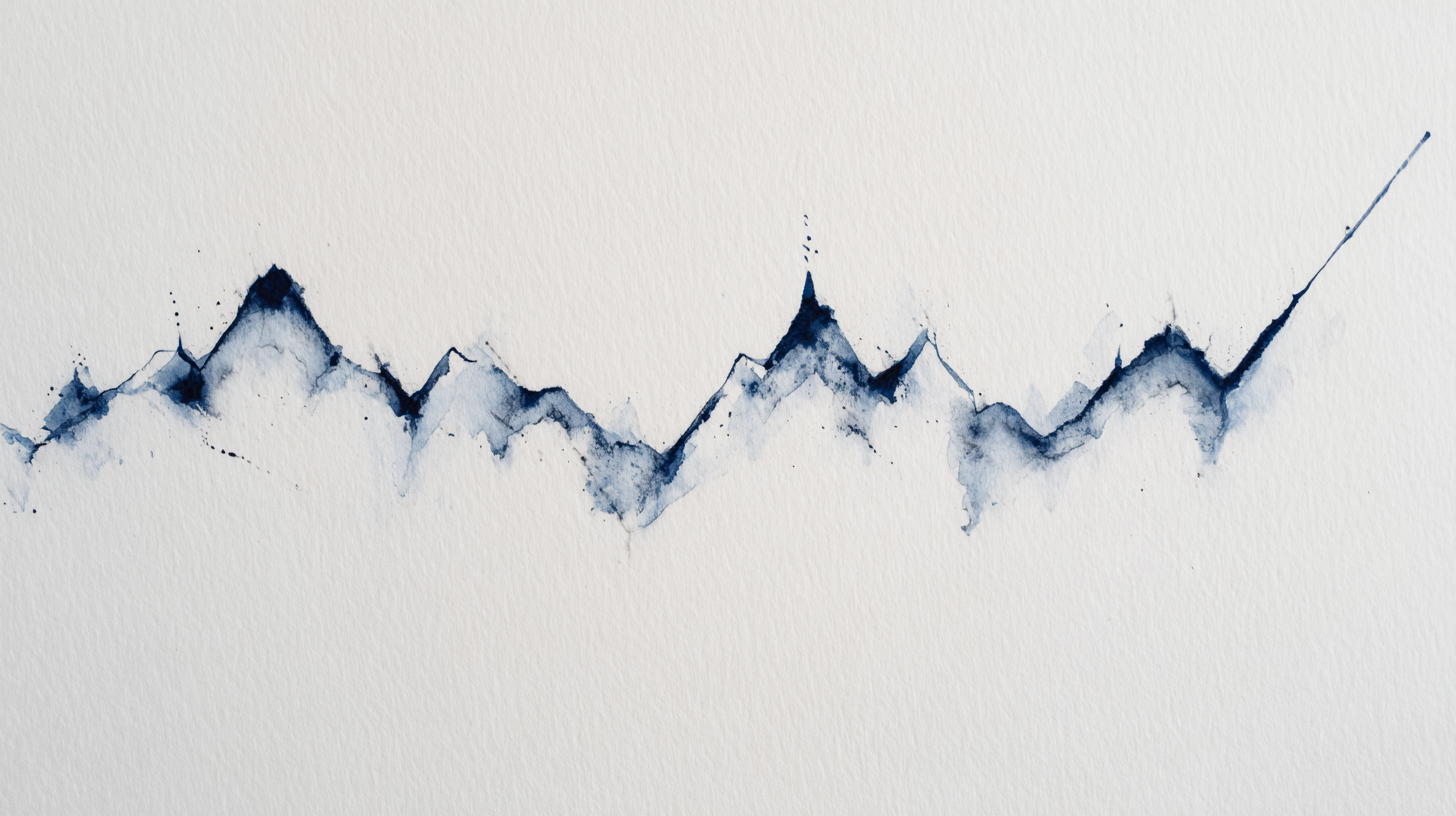
Expansion: Energy returns. The fog lifts. You feel sharper, lighter, more like yourself. You laugh at something and it feels real. You manage a task that has been beyond you for weeks. Hope shows up — cautious, fragile, but present. These are your brain working well within its current capacity.
Contraction: The crash. Fatigue descends. The fog rolls back in. Emotions swell — grief, frustration, fear. The gains from the expansion phase feel like they never happened. These are not failures. This is the brain pulling back to rest, consolidate, and prepare for the next expansion.
Growth: The thing that happens between the two, invisible in the moment. If you track your trajectory over months, you will see it: each expansion reaches a little further than the last. Each contraction is a little less devastating. The good days get a little better. The hard days get a little shorter. The trend line is upward.
Knowing this pattern exists changes how you experience the hard days. They stop being evidence of failure and start being evidence that you are in the contraction phase — which means an expansion is coming.
Tracking Your Own Rhythm
Over time, your rhythm becomes readable. The book's emotional inventory — mood, energy, anxiety, and hope rated on a 1–10 scale — is the simplest tracking tool. Do it daily. After a month, look at the data. You will see your rhythm.
Some patients notice their energy follows a weekly cycle: two or three good days followed by a crash, then recovery. Some discover that high-stimulation days are reliably followed by low days. Some find their fog worsens in the afternoon and clears in the morning, giving them a reliable daily rhythm to plan around.
HRV (heart rate variability) tracking can confirm the pattern physiologically — trending upward during expansion phases and dipping during contraction. Over months, the baseline trends higher, reflecting more recovery capacity and resilience.
Knowing your rhythm gives you power. It tells you when to push a little and when to rest. It tells you that the crash after a busy weekend is predictable, not pathological. And it tells you, during the hard days, that this will pass — because it always has before.
When the Rhythm Stalls
Sometimes the rhythm stops. Expansion phases get shorter or disappear. Contraction extends. Weeks go by without a good day. This is different from a normal contraction — a stall is persistent and has causes that may need attention:
Depression: If the contraction has become constant — persistent sadness, loss of interest, inability to imagine a future — that may be clinical depression, and it is treatable. Tell your doctor. Do not wait for it to pass on its own.
Endocrine disruption: Thyroid dysfunction, cortisol dysregulation, and hormone imbalances can produce a plateau that looks like stalled recovery but is actually a treatable medical condition. A simple blood test can identify the problem.
Sleep disorders: Undiagnosed sleep apnea, chronic insomnia, or disrupted sleep architecture can prevent the neuroplastic consolidation that drives recovery. If sleep has not normalized by three to six months, push for a sleep evaluation.
Medication effects: Some anti-seizure medications can create a cognitive and emotional ceiling. If recovery seems to have stopped, a conversation with your neurologist about adjustment or alternatives may be warranted.
A stalled rhythm is not a death sentence. It is a signal that something needs to change — and in most cases, the change is identifiable and addressable.
The Whole Story
Neither the good days nor the hard days are the whole story. The whole story is the arc — the gradual, uneven, frustrating, beautiful process of a brain rebuilding itself over months and years. You are in it. It is working. Even when it does not feel like it.