Caregiver Guide: Supporting a Loved One After Brain Surgery
You love someone who had brain surgery. You want to help. You just don't know how. This section is for you.
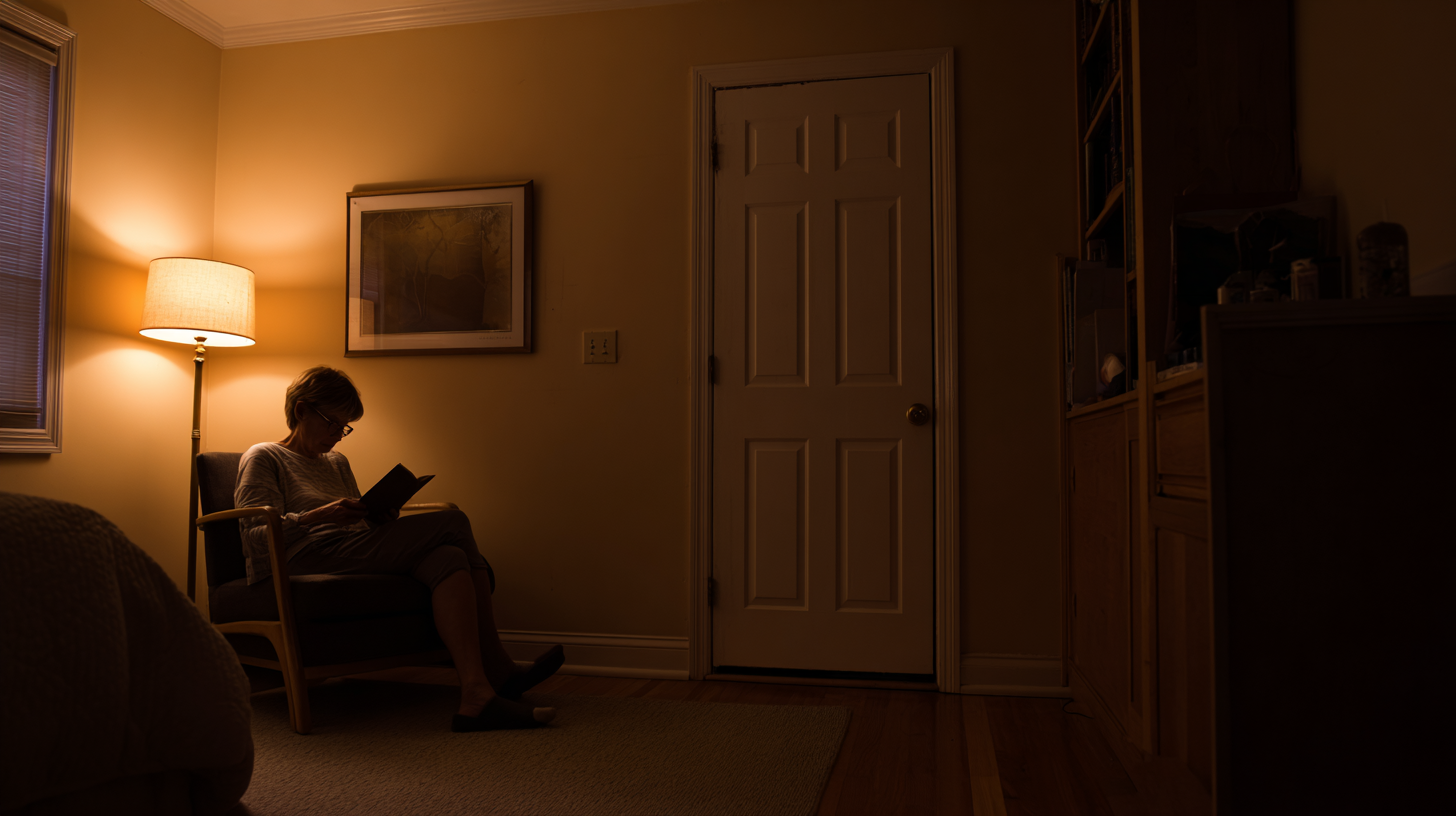
Caregivers — spouses, partners, parents, adult children, close friends — carry an enormous burden after brain surgery. You are watching someone you love struggle in ways nobody prepared you for, and most of the attention is (rightly) on the patient. But you need support too.
This page was written for you. Not as an afterthought or a sidebar, but as a direct acknowledgment that brain surgery happened to your family, not just to the person on the table. What follows is the guide that should have been handed to you in the hospital parking lot.
From the book: This page expands on Chapter 13 of Still You, which is written entirely for caregivers. Get the full book for communication scripts, boundary-setting strategies, and caregiver self-care protocols.
What Happened to Your Person
Your person had brain surgery, and they came home different. Maybe the difference is subtle — a flatness in their eyes, a shorter fuse, a new distance in conversation. Maybe the difference is dramatic — personality shifts, emotional outbursts, confusion, withdrawal. Either way, the person you knew before surgery is not entirely the person in front of you now.
Here is what is happening: the surgery itself, plus the swelling, inflammation, medications, and healing process, have altered the brain circuits that produce emotion, behavior, and personality. The irritability is not a choice. The emotional flatness is not indifference. The mood swings are not manipulation. These are neurological symptoms, as real and as involuntary as the surgical scar.
They are not doing this to you. Their brain is doing this to them. The distinction matters, because when you are on the receiving end of an outburst or the cold shoulder, it is hard not to take it personally. Understanding the cause does not eliminate the impact — it still hurts. But it changes the frame from “they are being difficult” to “their brain is having difficulty.”
What They Are Going Through (That They Cannot Explain)
One of the hardest things for caregivers is that the patient often cannot articulate what is wrong. That is not evasion — it is the nature of brain injury. The organ that would describe the problem is the organ that has the problem. Here is what many patients experience but struggle to put into words:
Cognitive fatigue. Their brain is using enormous energy just to do ordinary things. A trip to the grocery store that used to be automatic now requires the same concentration as taking a final exam. By afternoon, their cognitive tank is empty. This is why they seem fine in the morning and collapse by dinner. They are not being lazy. Their brain is genuinely depleted.
Sensory overload. The brain's filtering system is compromised. Background noise, bright lights, multiple conversations, the TV playing while the kids argue — all of it arrives unfiltered. What registers as normal household noise for you may register as chaos for them. Their irritability in stimulating environments is not a personality flaw. It is a brain that has lost its ability to sort signal from noise.
Emotional unpredictability. Tears over a cereal commercial. Explosive anger over a misplaced remote. Flat, affectless responses to things that should matter. The brain's emotional regulation circuitry has been disrupted, and the result is emotions that are either amplified, suppressed, or disconnected from their triggers. They may be as confused by their own reactions as you are.
Identity disruption. Many patients have the private, terrifying sense that they are not themselves anymore. Their thoughts feel different. Their reactions are unfamiliar. The continuity of self that most people take for granted has been interrupted. This is one of the most isolating things a person can experience, and they may not tell you about it because they do not have the words, or because they are afraid the answer is that they are right.
Grief they cannot express. They know they should feel grateful. The surgery saved their life. Everyone keeps telling them how lucky they are. And they are grateful. But underneath the gratitude is a grief for the person they were before, for the capabilities they lost, for the future that shifted. They feel they do not have permission to grieve, because how do you mourn your own survival?
How to Communicate Now
The way you used to communicate may not work anymore. Their brain processes language, attention, and social information differently now. Adjusting your approach is one of the most practical and impactful things you can do.
Short sentences. Their working memory may be compromised. Long, complex sentences require more processing than they can manage. Say one thing at a time. Wait for acknowledgment before the next point.
One request at a time. “Take the dog out, put the dishes away, and call the pharmacy” is three tasks requiring sequencing, prioritization, and memory. Say: “Can you take the dog out?” Then, after that is done, the next thing.
Reduce background noise. Their sensory filtering is compromised. Television, music, children playing — all of it competes with your words. If you need a real conversation, turn things off. Find a quiet room. Face them directly.
Replace “How are you?” That question requires self-assessment, emotional categorization, and verbal formulation — a surprising amount of cognitive work. Try: “What do you need right now?” or “Is this a good moment or a hard moment?” These are concrete questions that require less processing.
Do not fill their silences. They may need more time to find words, organize thoughts, or process what you said. The urge to jump in and finish their sentences is natural. Resist it. Give them the space to get there on their own, even if it takes longer than it used to.
Ask before helping. “Do you want me to help, or do you want to do it yourself?” Autonomy matters enormously to someone whose sense of capability has been shaken. Helping without being asked, however well-intentioned, can feel like a confirmation that they are broken.
When They Snap: Navigating Outbursts
This deserves its own section because it is the thing that breaks caregivers down fastest. When someone you love yells at you for no reason, says something cruel, or turns cold without warning — your stress response fires whether you understand the neurology or not. Knowing it is a brain symptom does not stop it from hurting.
What to do in the moment: Pause. Do not escalate. Do not argue logic with a brain that is not running logic right now. Say something neutral: “I can see you are having a hard time. I am going to give you some space.” Walk away. Come back in fifteen to twenty minutes. Most outbursts burn out quickly when they are not fed.
What to do after: When the moment has passed, do not rehash it in detail. A simple “That was hard for both of us” acknowledges the reality without turning it into a conflict. If they apologize, accept it graciously. If they do not remember the outburst — which happens — do not force them to relive it.
What to watch for: If outbursts are escalating in frequency or intensity, if they become physically threatening, or if you feel unsafe, that is a medical issue that needs clinical attention. Tell the surgical team. This is not betrayal — it is getting your person the help their brain needs.
What Helps and What Does Not
What Helps
Patience. Not the performative kind. The real kind, where you genuinely lower your expectations for the pace of a conversation, a task, or a day.
Presence without pressure. Sitting in the room together without requiring interaction. Being available without hovering. Nearby without needing to be needed.
Reducing stimulation. Dimming lights. Turning off the TV during meals. Declining invitations they are not ready for, even when they say they are.
Honesty with gentleness. “I notice you are having a harder day today” is more helpful than pretending everything is fine. Naming what you see gives them permission to be honest about what they feel.
Structure without rigidity. Routines help a recovering brain. Regular mealtimes, consistent sleep schedules, predictable rhythms. But flexibility within the structure — because some days the plan will not work, and that has to be okay.
Showing up consistently. Even when it is not reciprocated. Even when they seem to not notice. They notice. The stability of your presence is one of the anchors their brain can orient around.
What Does Not Help
“Just be positive.” Forced positivity invalidates their experience. They need permission to feel what they feel, not pressure to perform wellness.
Comparisons to before. “You used to be able to do this” is devastating to hear when they are already mourning the person they were. They know. They do not need the reminder.
Finishing their sentences. It saves time. It also communicates “you are too slow” and strips them of the accomplishment of getting there themselves.
Making decisions for them. Unless they are genuinely unable, preserve their agency. Ask what they want. Wait for the answer. Even if it takes longer.
Treating every bad day as a crisis. Bad days are part of recovery. They are not evidence of going backward. The pattern is expansion and contraction, not a straight line. Learning to ride the rhythm without panic is one of the most important skills a caregiver can develop.
Telling them how they should feel. “You should be grateful.” “At least you survived.” “Other people have it worse.” All true. All damaging. Gratitude and grief coexist. Both deserve space.
When to Worry vs. When to Wait
One of the most stressful aspects of caregiving is not knowing what is normal recovery and what requires medical attention. This section is meant to help you calibrate.
Normal Recovery (Monitor, Do Not Panic)
Fatigue that improves slowly over weeks. Energy returning gradually, with good days and bad days, is the expected pattern.
Mood swings that decrease in frequency. Emotional ups and downs that are becoming less intense or less frequent over time.
Cognitive fog that lifts intermittently. Clear moments interspersed with foggy periods, with the clear moments gradually lengthening.
Sleep disruption in the first few months. Difficulty falling or staying asleep is common after brain surgery and usually improves.
Personality differences that stabilize. Initial personality changes that are settling into a new normal, even if different from before.
Call the Surgical Team
Worsening symptoms after initial improvement. A decline after a period of progress may indicate a complication (hydrocephalus, infection, delayed swelling).
New neurological symptoms. New weakness, vision changes, difficulty speaking, or balance problems that were not present before.
Persistent depression (2+ weeks). Sadness, hopelessness, or loss of interest in everything that does not lift and is getting worse.
Severe personality changes. Dramatic behavioral changes that are alarming — aggression, paranoia, disinhibition, or behavior that feels genuinely unlike the person you know.
Seizures. Any new seizure activity, even brief or partial (staring episodes, jerking, unusual sensations), should be reported immediately.
Cognitive decline rather than improvement. If thinking, memory, or functioning is getting worse rather than gradually better after the first month.
Emergency: Call 911 for sudden severe headache, loss of consciousness, seizures lasting more than five minutes, new weakness on one side, difficulty breathing, or any situation where you feel your person's life may be in danger. Trust your instincts. You know your person better than any protocol.
Your Relationship Changed Too
Nobody tells the caregiver that they are also grieving. But you are.
You may be grieving the partner who shared the load equally. The parent who was the strong one. The friend who used to be the one you called when things got hard. The dynamic between you has shifted, and the shift was not a choice. It was done to you by circumstances neither of you asked for.
Some specific things caregivers grieve but rarely say out loud: the effortlessness that used to exist between you. The conversations you could have without monitoring. The spontaneity that is now replaced by planning around energy levels. Intimacy — physical, emotional, intellectual — that may have changed in ways you cannot discuss because it feels selfish to bring up. The future you planned together that may need to be replanned.
These losses are real. Acknowledging them is not betrayal. It is honesty. And the research is clear: caregivers who acknowledge their own grief and seek support for it are more resilient, more patient, and ultimately more effective in their caregiving role.
Taking Care of Yourself
Caregiving at the expense of your own health is not sustainable. This is not motivational advice — it is a statement of physiological reality. Chronic stress, sleep deprivation, social isolation, and emotional depletion will eventually compromise your immune function, your cognitive performance, and your own mental health. You cannot pour from an empty vessel, and your vessel is being drained every day.
Build your own support system. You need at least one person who is not the patient — a friend, a therapist, a caregiver support group — where you can be honest about what this is like. The National Alliance for Caregiving and local hospital social work departments can connect you with resources.
Protect your sleep. If their sleep disruption is disrupting yours, consider separate sleeping arrangements for a period. This is not abandonment. It is ensuring at least one of you is rested enough to function.
Maintain one thing that is yours. A walk. A class. Coffee with a friend. Something that exists outside the caregiving role, that keeps you tethered to the person you are beyond “caregiver.” Schedule it. Protect it. Do not give it up when things get hard — that is when you need it most.
Accept help. When people say “let me know if you need anything,” give them something specific. “Could you bring dinner Tuesday?” “Could you sit with them for an hour so I can go to the gym?” People want to help. They just do not know how. Tell them.
Watch for your own warning signs. Persistent irritability. Numbness. Resentment that you cannot shake. Dreading going home. Physical symptoms — headaches, stomach problems, chest tightness. These are signs of caregiver burnout, and they are as real and as treatable as the patient's symptoms. Talk to your own doctor. Consider your own therapist. This is not weakness. This is self-preservation.
What You Are Allowed to Feel
You are allowed to feel exhausted, even when they are the one who had surgery.
You are allowed to feel resentment, even though you know it is not their fault.
You are allowed to feel grief for the relationship you had before.
You are allowed to feel angry that this happened to your family.
You are allowed to want your old life back.
You are allowed to need a break from caregiving without it meaning you love them less.
None of these feelings make you a bad partner, parent, child, or friend. They make you a human being navigating something extraordinarily hard. The caregivers who last — who sustain their presence and their patience over the months and years of recovery — are not the ones who suppress these feelings. They are the ones who find a place to put them.
You did not sign up for this. Neither did they. But here you are, and the fact that you are reading this page means you are trying to understand what is happening and how to help. That effort — the willingness to learn, to adjust, to keep showing up even when it is not reciprocated — matters more than you know. Take care of yourself. Not as an afterthought. As a requirement.